Close this alert
Inurl Viewerframe Mode Motion My Location New Jun 2026
This parameter in the URL specifies the operational state of the camera viewer. It often dictates whether you see a still image, a live stream, or a configuration panel.
Criminals can monitor properties to determine occupancy patterns, locate valuable assets, or map out building layouts.
The use of such search queries sits in a gray area. On one hand, security researchers argue that discovering unsecured cameras is a public service—it highlights the scale of IoT insecurity and pressures manufacturers to improve defaults (e.g., requiring password changes upon first use). On the other hand, accessing a camera’s feed without the owner’s explicit permission violates computer fraud and abuse laws in many jurisdictions (e.g., the CFAA in the U.S., the Computer Misuse Act in the UK). Even if the URL is publicly indexed by Google, the expectation of privacy remains for the camera owner, and unauthorized viewing can constitute illegal surveillance.
Alternative services like provide similar functionality, offering tools to search HTTP responses, server headers, and page titles across the entire internet. They are powerful complements to Google Dorking, offering different sets of filters like http.title and http.headers.server to refine searches. For the average user, Shodan and Netlas represent the "professional" version of the vulnerability that Google Dorking exposes on a more amateur level. inurl viewerframe mode motion my location new
This "dork" is frequently used by researchers (and hackers) to find live camera feeds that have been left open without password protection. These feeds can include anything from public traffic cameras to private security systems in offices or homes. Common Variations
Type exactly: inurl:viewerframe mode motion my location new Do not add spaces unless they are inside quotes.
When you enter the "inurl viewerframe mode motion my location new" query into a search engine, you're essentially looking for IP cameras that have a specific configuration. These cameras typically have a web-based interface that allows users to view live video feeds. The viewerframe term suggests that the query is searching for cameras with a specific type of interface. This parameter in the URL specifies the operational
When combined, this query forces Google to index the live video streaming pages of these cameras. If the owner forgot to set a password, anyone clicking the link can view the camera feed and sometimes even control the pan, tilt, and zoom (PTZ) functions. The Danger of "My Location New" Queries
The inurl:viewerframe?mode=motion query is a powerful, well-known tool for finding web-exposed cameras, often used for research, monitoring, or discovering public cameras. While it can be useful for security audits, it also highlights the critical need for users to secure their IP cameras with strong, unique passwords.
Millions of surveillance cameras are connected to the internet to allow home and business owners to monitor their property remotely. However, a significant percentage of these devices become publicly viewable due to a few common oversight errors: The use of such search queries sits in a gray area
In many jurisdictions, accessing a private device or network without explicit authorization violates cybercrime laws, such as the in the United States or the Computer Misuse Act in the United Kingdom. Even if a camera lacks password protection, navigating to its control panel with the intent to view or manipulate a private feed can be legally interpreted as unauthorized access. Privacy Violations
: Ensure a strong, unique password is set for the admin account. Disabling Public Indexing robots.txt
Never expose a camera directly to the internet. Instead, set up a Virtual Private Network (VPN) on your router to securely log into your local network before viewing your camera feeds.
Universal Plug and Play (UPnP) often tricks your router into automatically opening ports for your camera without your knowledge. Turn it off.
Other Books in Series

The First Cat in Space Ate Pizza: A Graphic Novel
Paperback

The First Cat in Space and the Wrath of the Paperclip: A Graphic Novel
Paperback
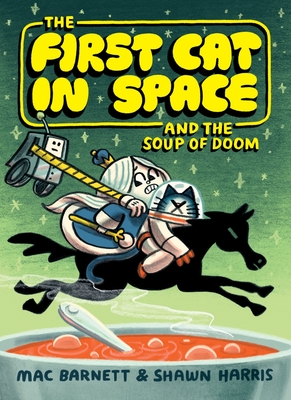
The First Cat in Space and the Soup of Doom: A Graphic Novel
Paperback

The First Cat in Space and the Wrath of the Paperclip: A Graphic Novel
Hardcover

The First Cat in Space Ate Pizza: A Graphic Novel
Hardcover

The First Cat in Space and the Soup of Doom: A Graphic Novel
Hardcover

The First Cat in Space 3-Book Box Set: A Graphic Novel Collection: The First Cat in Space Ate Pizza, The First Cat in Space and the Soup of Doom, The First Cat in Space and the Wrath of the Paperclip
Multiple copy pack